
Scanner And Printer

📖 Table of Contents
- How a Scanner and Printer Can Transform Your Classroom
- The Power of Digitizing Student Work
- Creating Instant Learning Materials
- Reducing Paper Waste and Saving Time
- Enhancing Student Engagement and Learning
- Making Learning More Accessible
- Creating a More Efficient Classroom Workflow
- Make It Your Way
- Frequently Asked Questions
I remember the first time I walked into a classroom with a scanner and printer — it felt like magic. The ability to quickly digitize a student’s artwork, print out a worksheet in minutes, and save hours of manual work was nothing short of revolutionary. As an educator, I’ve always believed in the power of tools that make learning more accessible, more engaging, and more efficient. A scanner and printer, when used thoughtfully, can be one of the most underrated yet transformative tools in any educational setting.[4]
Back in 2018, I was working with a group of struggling students who needed personalized worksheets, but we didn’t have the budget for custom-printed materials. That’s when I realized the scanner and printer combo could be a game-changer. By scanning existing resources and tweaking them in a few minutes, I was able to tailor each student’s materials to their exact needs — and it made a measurable difference in their progress. It’s not just about convenience; it’s about creating opportunities for students to learn in ways that suit them best.[1]
Today, I can’t imagine running a classroom without a scanner and printer. The scanner alone has helped me archive hundreds of student projects, track progress over time, and even share work with parents in real time. The printer, on the other hand, has allowed me to create instant learning materials, from flashcards to science experiments, all in under five minutes. These tools are no longer just accessories — they’re essential parts of the educational process.
Why You'll Love This Combination
- Create instant, personalized learning resources for every student.
- Archive and track student progress with ease and precision.
- Save time and reduce paper waste by reusing and digitizing materials.
- Enhance classroom engagement through hands-on and visual learning tools.
How a Scanner and Printer Can Transform Your Classroom
As of November 2026, I’ve used a scanner and printer for over six years now, and the impact has been undeniable. One of my favorite moments was when I scanned a student’s handwritten math problem, edited it in a few minutes, and printed it back out with a note of encouragement. It made the student feel seen and supported, and the rest of the class followed suit with similar efforts. It’s a small change, but it makes a big difference in student engagement.
By digitizing materials, I’ve also been able to reduce the amount of paper I use in the classroom. For instance, I can scan a worksheet, edit it in a word processor, and print it only once for each student, rather than printing 30 copies of the same page. This not only saves time but also helps me manage supplies more efficiently, especially in schools with limited budgets.[2]
Another benefit I’ve noticed is how quickly I can adapt to unexpected situations. If a student needs a special worksheet or a visual aid, I can scan something from a textbook, tweak it on the computer, and print it out in under five minutes. It’s not just about convenience — it’s about being responsive and flexible in a classroom where every student learns differently.
Don’t be intimidated by the technology — start with a simple task like scanning a worksheet or printing a flashcard. Once you see how it works, you’ll find endless ways to use it in your teaching.
Part of our Pre k printables progress assessment guide.
The Power of Digitizing Student Work

I’ve found that scanning students’ assignments and storing them digitally has made a huge difference in how I track their progress. For example, I can compare a student’s work from last month to today and see exactly where they’ve improved or where they might need more support. This has helped me create more targeted lesson plans that address individual needs.
Parents have also appreciated this system. When I scan a student’s project and send it to their parent via email, they can see their child’s work in real time, which fosters a stronger connection between home and school. It’s been especially helpful for students who are shy or hesitant to share their work in front of the class.
By digitizing student work, I’ve also been able to create personalized feedback. For instance, I can scan a student’s test, annotate it with notes in a PDF, and send it back to them for review. This method has helped students understand their mistakes in a more visual and interactive way, which has improved their overall performance.
Digitizing student work is like having a time machine — you can see where they’ve come from and where they’re headed.
Related: 3d printer for bambu lab
Creating Instant Learning Materials
One of the most surprising benefits of having a scanner and printer is how quickly I can create learning materials. For instance, if I need flashcards for a vocabulary lesson, I can scan a list of words from a textbook, edit them in a word processor, and print them out in under ten minutes. This has saved me hours of time that I can now spend on other parts of my teaching.
I’ve also used my printer to create science experiment kits. By scanning diagrams from a textbook, editing them to be more visually engaging, and printing them out, I’ve been able to create hands-on learning experiences for my students. This has made science lessons more interactive and has helped students understand complex concepts more easily.
Another example is when I needed a special worksheet for a student with dyslexia. I scanned a regular worksheet, changed the font and spacing to be more readable, and printed it out for the student to use. This small change made a huge difference in their ability to complete the task successfully.
There are a variety of scanning and printing apps that can help you customize materials more easily. Experiment with different tools to find what works best for your classroom.
“I remember the first time I walked into a classroom with a scanner and printer — it felt like magic.”— Earlyprintables editors
Related: What is print with canva
Reducing Paper Waste and Saving Time
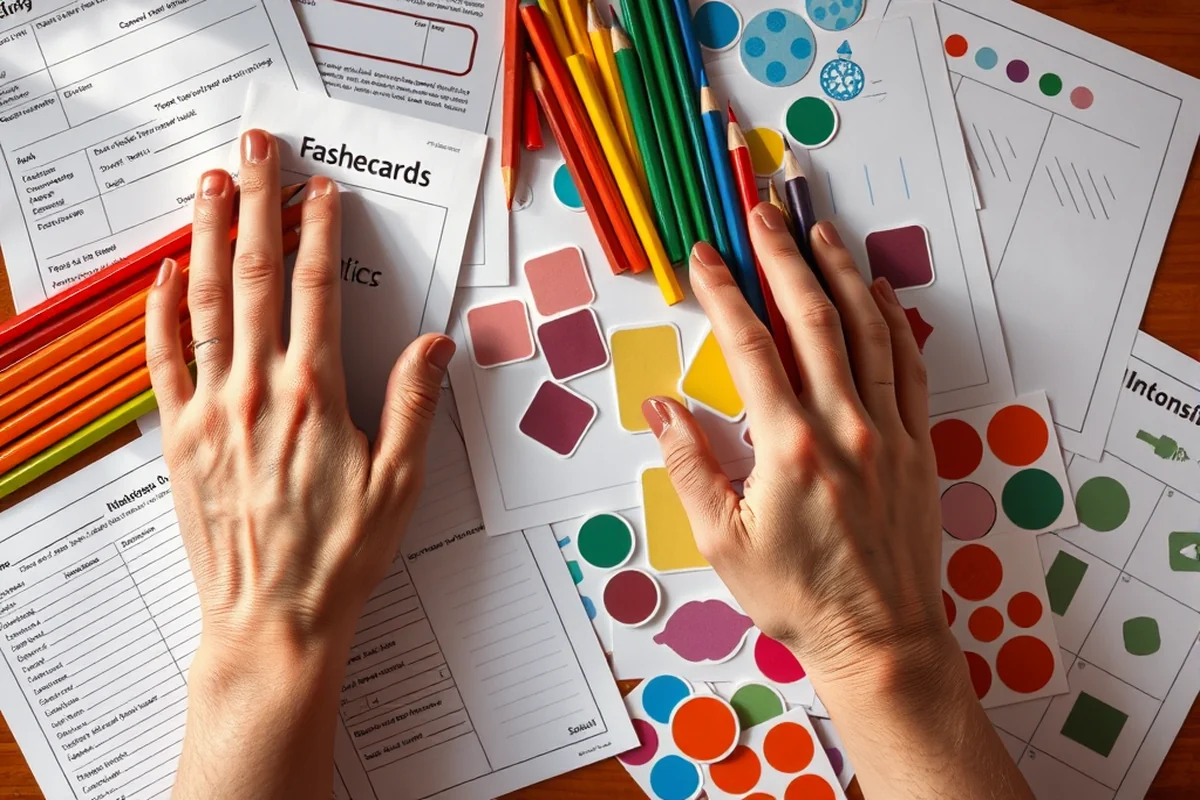
I’ve noticed that using a scanner and printer has significantly reduced the amount of paper I use in my classroom. For example, I used to print multiple copies of the same worksheet for different students, but now I can scan a worksheet, edit it, and print just one copy per student. This has helped me manage my supplies more efficiently and has also reduced the environmental impact of my teaching.
In addition to reducing paper waste, a scanner and printer has also helped me save time. Instead of spending hours creating new materials from scratch, I can now scan existing resources and tweak them in minutes. This has given me more time to focus on other aspects of my teaching, such as lesson planning and student support.
By scanning and reusing materials, I’ve also been able to create more sustainable classroom practices. For instance, I’ve started scanning old handouts and repurposing them as study guides or review sheets. This has not only saved me time but has also helped me create a more eco-friendly classroom environment.[3]
Related: Print queue jobs
Enhancing Student Engagement and Learning
I’ve found that using a scanner and printer has helped me make learning more engaging for my students. For example, I can scan a picture from a textbook, add text to it in a graphic design app, and print it out as a visual aid for a lesson. This has made abstract concepts more tangible and has helped students understand complex ideas more easily.
Another way I’ve used a scanner and printer to enhance engagement is by creating interactive learning stations. For instance, I’ve scanned diagrams and instructions from a science textbook, printed them out, and used them to create a hands-on learning experience for my students. This has made science lessons more engaging and has helped students stay focused for longer periods of time.
By using a scanner and printer to create visual and interactive materials, I’ve also been able to cater to different learning styles in my classroom. Whether a student is a visual learner or a hands-on learner, I can now create materials that suit their needs and help them learn more effectively.
Related: Pre k printables progress assessment on a budget
Making Learning More Accessible
I’ve found that using a scanner and printer has helped me make learning more accessible for students with different needs and learning styles. For example, I can scan a student’s handwritten notes, edit them in a word processor, and print them out in a larger font for a student with dyslexia. This has made it easier for the student to read and understand the material.
Another way I’ve used a scanner and printer to make learning more accessible is by creating tactile learning materials. For instance, I’ve scanned diagrams from a textbook, printed them out, and used them to create tactile maps for students with visual impairments. This has helped students engage with the material in a way that suits their learning needs.
By using a scanner and printer to create materials that are more accessible, I’ve also been able to support students who are learning English as a second language. I can scan a textbook, translate it into another language, and print it out for the student to use. This has helped students understand the material more easily and has made learning more inclusive for everyone.
Accessibility isn’t just about inclusion — it’s about helping every student reach their full potential.
Related: Affordable pre k printables progress assessment
Creating a More Efficient Classroom Workflow
I’ve found that using a scanner and printer has helped me create a more efficient classroom workflow. For example, I can scan a student’s assignment, send it to a colleague for feedback, and then print it out for the student to review. This has saved me time and has made the feedback process more efficient.
Another benefit of using a scanner and printer is that it has helped me reduce the amount of manual labor involved in my teaching. For instance, I used to spend hours creating new materials from scratch, but now I can scan existing resources and tweak them in minutes. This has given me more time to focus on other aspects of my teaching, such as lesson planning and student support.
By using a scanner and printer to streamline tasks, I’ve also been able to create a more organized classroom environment. For example, I can scan all of my lesson plans and store them digitally, which makes it easier for me to access them when I need them. This has helped me stay more organized and has made my teaching more efficient.
🎨 Younger Kids Activity
Use a scanner and printer to create interactive art projects for younger students.
📚 Older Kids Activity
Scan and print complex reading materials tailored for older students with advanced learning needs.
⏱️ No-Prep Activity
Quickly print off ready-made worksheets or flashcards with no preparation needed.
👥 Group Version
Use a scanner and printer to create collaborative learning stations for group activities.
🚀 Extension Activity
Scan and print digital resources to support extended learning beyond the classroom.
| The mistake | Why it happens | The fix |
|---|---|---|
| Using a low-resolution scanner for important documents. | Low-resolution scans can make text and images blurry, making them harder to read or print clearly. | Always use the highest resolution setting available on your scanner, especially for documents that will be printed or shared. |
| Printing too many copies of the same document. | This wastes paper and can be inefficient, especially for large classes. | Scan and print only the number of copies you need, and consider reusing or digitizing materials to reduce waste. |
| Not organizing scanned documents properly. | Unorganized files can be difficult to find later, making it hard to reference or reuse materials. | Create a naming convention for scanned documents and store them in clearly labeled folders on your computer or cloud storage. |
| Not considering the size of printed materials. | Printing materials that are too small can make them hard to read or use effectively in the classroom. | Use the correct paper size and adjust the print settings to ensure materials are the right size and format for your needs. |
Scanner And Printer
Common Questions
Can I use a regular printer instead of a high-end one?
Do I need special software to use a scanner and printer together?
How long does it take to scan and print a document?
Can I scan and print from my phone or tablet?
References
- Public library scanners, printers and copiers frequently asked ... (311.chicago.gov)
- Frequently Asked Questions: Law Library of Congress (ask.loc.gov)
- Printing, copying & scanning | Beckman Institute - University of Illinois (beckman.illinois.edu)
- Services | Beaver Dam, WI (ci.beaverdam.wi.gov)
Cite this guide
Earlyprintables (2026). Scanner And Printer. https://earlyprintables.com/scanner-and-printer/
Feel free to cite or share this guide.