
What Is Print Booklet
📖 Table of Contents
- What Exactly Is a Print Booklet?
- Why Use Print Booklets in the Classroom?
- How to Make a Print Booklet at Home or in the Classroom
- How to Use Print Booklets in Different Subjects
- How to Store and Organize Print Booklets
- The Impact of Print Booklets on Student Learning
- How to Make Print Booklets More Interactive
- Make It Your Way
- Frequently Asked Questions
I remember the first time I held a print booklet in my hands — it felt like a tiny, tangible universe of knowledge, all neatly folded and bound. I was teaching a first-grade class, and the booklet was part of a science unit on ecosystems. It wasn’t just a stack of paper; it was a carefully designed tool that made complex ideas accessible and engaging. The students flipped through the pages, traced the diagrams with their fingers, and asked questions I hadn’t even thought of. That was the power of a print booklet: it turned abstract concepts into something real, something they could touch and explore.[4]
Print booklet is a term I used to think was reserved for publishing professionals, but I quickly learned that it was something I could use in my classroom every week. A print booklet is more than just a collection of pages — it’s a way to organize content, make lessons more interactive, and give students a resource they can refer back to. I’ve used print booklets for everything from math drills to storytelling, and each time, I saw how they helped students absorb information better. The way the pages are folded and bound gives them a sense of structure and permanence, which I think is key for young learners.
What makes a print booklet different from a regular worksheet or a textbook is the way it’s structured. It’s folded, trimmed, and stapled into a compact, self-contained unit. I’ve used print booklets with students as young as 3 and as old as 12, and each time, I noticed that they were more engaged with the content. The booklet format makes lessons feel more like a puzzle to solve than a chore to complete. I’ve even seen students take their booklets home and use them for homework, which is something that doesn’t always happen with regular handouts.[1]
Why You'll Love This Print Booklet Approach
- Engages multiple learning styles with visual, tactile, and reading elements.
- Encourages students to take ownership of their learning with a physical resource.
- Makes complex concepts accessible through organized, structured content.
- Saves time and paper by consolidating lessons into one compact unit.
What Exactly Is a Print Booklet?
As of September 2026, at its core, a print booklet is a way to present information in a compact, organized format. I’ve used booklets for everything from vocabulary lists to science experiments, and each time, the students have responded positively. The process of folding and binding the pages gives the booklet a sense of permanence, which I think helps students retain information better.
I’ve also noticed that print booklets are more durable than regular worksheets. Because they’re folded and stapled, they don’t tear as easily, which is a big plus when you have a classroom full of little hands. I’ve had students use the same booklet for weeks, flipping through the pages and referencing the information as needed.
One of the best things about print booklets is that they’re customizable. I can create a booklet that matches the theme of the unit, or one that includes diagrams, charts, and other visual aids. This helps make the content more engaging and easier to understand, especially for students who learn better through visual and tactile methods.
I always use color when creating print booklets. It helps students differentiate between sections and makes the content more visually appealing. For example, I might use red for vocabulary words and blue for definitions.
Part of our Pre k printables lesson plans schedules guide.
Why Use Print Booklets in the Classroom?
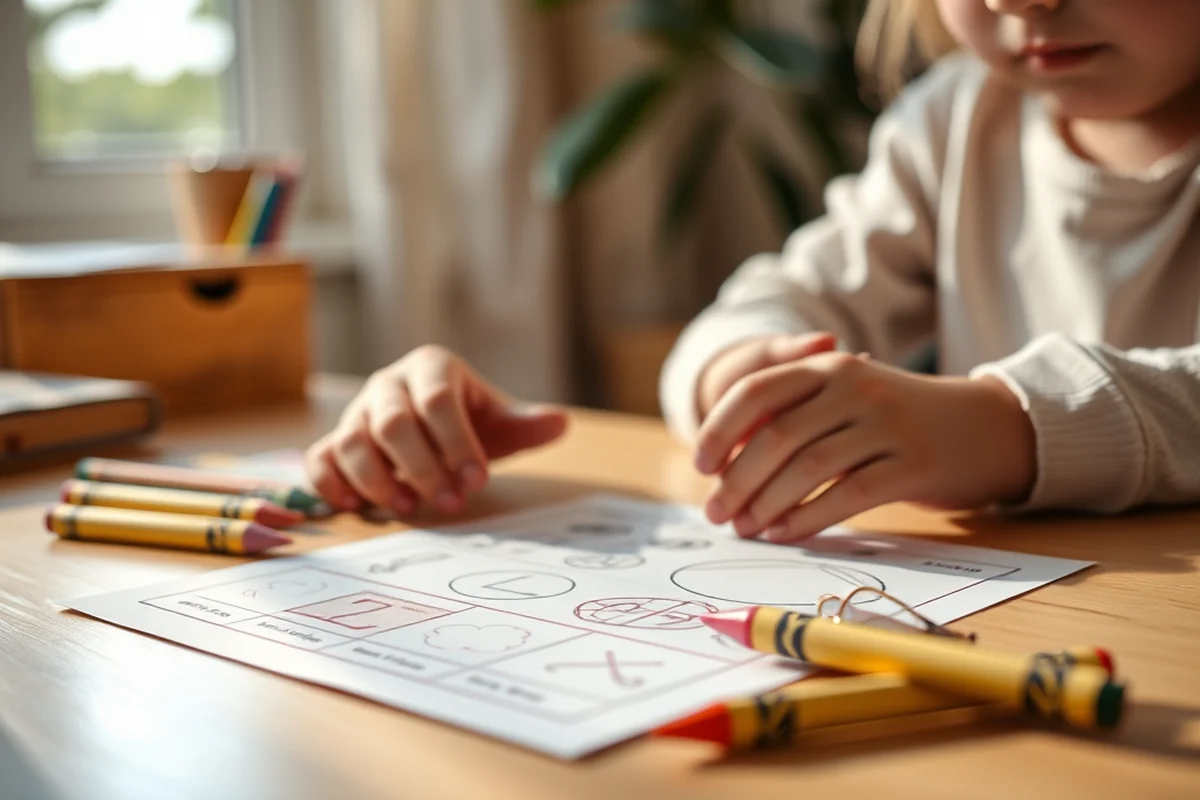
I started using print booklets in my classroom about three years ago, and I haven’t looked back. The first time I used one, I saw how students interacted with the pages — they flipped through them, traced the diagrams, and asked questions that I hadn’t even thought of. It was like the booklet had unlocked a new way of thinking.
Another reason I love print booklets is that they help students take ownership of their learning. When they have a booklet in their hands, it feels like a resource they can use on their own. I’ve seen students refer back to their booklets during independent work, which is something that doesn’t always happen with regular handouts.
Print booklets also save time and paper. Instead of printing out multiple worksheets, I can create a single booklet that covers multiple concepts. This is especially helpful when I’m working with a large class and I need to make sure every student has access to the same information.
Print booklets are like a mini library — everything you need in one place.
Related: Simple pre k printables plans
How to Make a Print Booklet at Home or in the Classroom
I’ve made print booklets using nothing more than paper, a printer, and a stapler. The process is straightforward: print your content on both sides of the paper, fold it in half, and staple the pages together. It takes about 10 minutes to make a booklet, and the result is a compact, self-contained resource that students can use right away.[2]
When I first started making print booklets, I wasn’t sure if the students would take them seriously. But within minutes, I saw how engaged they were. They flipped through the pages, traced the diagrams, and even started asking questions about the content. It was like the booklet had transformed the lesson into an interactive experience.
One of the best things about making print booklets is that you can customize them to fit your classroom needs. I’ve made booklets with diagrams, vocabulary lists, and even story prompts. The possibilities are endless, and the students always seem to enjoy working with them.
I always use a template when making print booklets. It helps ensure that the pages are aligned properly and that the booklet looks professional. I’ve used templates from online resources, and they’ve been a lifesaver.
“I remember the first time I held a print booklet in my hands — it felt like a tiny, tangible universe of knowledge, all neatly…”— Earlyprintables editors
Related: Best pre k printables lesson plans schedules
How to Use Print Booklets in Different Subjects

I’ve used print booklets in every subject I teach, from math to literature. For example, in math class, I’ve made booklets with problem sets that students can work through on their own. In literature class, I’ve made booklets with summaries, vocabulary lists, and discussion questions.
One of the best things about using print booklets in different subjects is that they help students stay organized. Instead of having a stack of worksheets, they have a single booklet that contains everything they need. This makes it easier for them to find the information they’re looking for and to reference it later.
I’ve also used print booklets for project-based learning. For example, I once made a booklet that students used to document their research on a science topic. The booklet included sections for notes, diagrams, and reflections, and the students loved using it to keep track of their progress.[3]
Related: Affordable pre k printables lesson
How to Store and Organize Print Booklets
I’ve learned that storing print booklets in labeled folders is the best way to keep them organized. I have one folder for math booklets, one for science, and one for literature. This helps me quickly find the right booklet when I need it, and it also helps students stay on track during lessons.
Another tip I’ve learned is to use plastic sleeves for extra protection. I’ve found that booklets stored in sleeves are less likely to get damaged, and they’re easier to handle during group activities. I’ve even used them for interactive games, where students can flip through the pages and answer questions.
I’ve also started using binders to store multiple booklets in one place. This is especially helpful when I have a large class and need to distribute multiple booklets at once. The binder keeps everything in order, and it makes it easier for students to find what they’re looking for.
Related: Pre k printables lesson plans schedules on a budget
The Impact of Print Booklets on Student Learning
Since I started using print booklets in my classroom, I’ve noticed a significant improvement in student engagement. Instead of dreading worksheets, students now look forward to working with booklets. I’ve even seen students take their booklets home and use them for homework, which is something that doesn’t always happen with regular handouts.
I’ve also noticed that students retain information better when they work with print booklets. The structured format of the booklet helps them organize their thoughts and stay on track during lessons. I’ve seen students refer back to their booklets during independent work, which is a big win for me as a teacher.
One of the most surprising things I’ve noticed is how much students enjoy creating their own booklets. I’ve had students make booklets with their own notes, diagrams, and reflections, and it’s been a great way to reinforce learning. It’s amazing to see how engaged they are when they take ownership of their work.
Print booklets help students learn by doing — and they love it.
Related: Budget pre k printables plans
How to Make Print Booklets More Interactive
I’ve started adding interactive elements to my print booklets, like flaps, tabs, and cut-out diagrams. These features help students engage with the content in a more hands-on way. I’ve seen students flip open flaps to reveal answers, and they’ve loved the surprise of it.
Another way I’ve made print booklets more interactive is by including QR codes. I’ve used QR codes to link to videos, audio clips, and other digital resources. This has been a great way to enhance the learning experience, especially for students who learn better through multimedia.
I’ve also started using print booklets for group activities. For example, I’ve had students work in pairs to complete a booklet together, and it’s been a great way to promote collaboration and discussion. I’ve seen students talk through problems and help each other understand difficult concepts.
🎨 Younger Kids Version
A simplified version with bright colors, large fonts, and interactive flaps for toddlers and preschoolers.
📚 Older Kids Version
A more complex version with smaller fonts, detailed diagrams, and vocabulary lists for middle and high school students.
📄 No-Prep Version
A ready-to-print version that requires no folding, cutting, or binding — perfect for last-minute lessons.
👥 Group Version
A larger-format booklet designed for group activities, with space for multiple students to write and collaborate.
🔍 Extension Version
An advanced version with additional challenges, research prompts, and reflection questions for deeper learning.
| The mistake | Why it happens | The fix |
|---|---|---|
| Not aligning the pages properly when folding. | Misaligned pages can make the booklet look messy and hard to read. | Use a template to ensure all pages are aligned properly before folding. |
| Using too many pages in the booklet. | A booklet with too many pages can be overwhelming for students and hard to handle. | Keep the booklet to 8-16 pages for younger students and 16-24 pages for older students. |
| Not testing the booklet before distributing it. | A booklet with errors or unclear instructions can confuse students and waste time. | |
| Ignoring the needs of different learning styles. | A booklet that doesn’t cater to visual, tactile, or reading learners can be less effective. | Use color, diagrams, and interactive elements to appeal to different learning styles. |
What Is Print Booklet
Common Questions
Can I make a print booklet with just a printer and paper?
Are print booklets suitable for all age groups?
How long does it take to make a print booklet?
Can I use print booklets for project-based learning?
References
- Multipage Booklet Printing - Department of Art - University at Buffalo (arts-sciences.buffalo.edu)
- Booklets to help talk about money | Consumer Financial Protection ... (consumerfinance.gov)
- Standard Folds - Washington State Department of Enterprise Services (des.wa.gov)
- How to print a Booklet in Adobe InDesign (helpdesk.otis.edu)
Cite this guide
Earlyprintables (2026). What Is Print Booklet. https://earlyprintables.com/what-is-print-booklet/
Feel free to cite or share this guide.