
What Are 3D Printer Designs and How to Use Them

📖 Table of Contents
- What Are 3D Printer Designs?
- Where to Find 3D Printer Designs for Education
- How to Use 3D Printer Designs in the Classroom
- The Benefits of Using 3D Printer Designs in Education
- Common Challenges with 3D Printer Designs
- Tips for Educators Using 3D Printer Designs
- Future of 3D Printer Designs in Education
- Make It Your Way
- Frequently Asked Questions
I remember the first time my daughter held a tiny 3D printed dinosaur in her hands — the way her eyes lit up, the way she immediately asked, 'Can we print more?' That moment made me realize how powerful 3D printer designs could be in education. These designs aren't just about cool shapes and colors; they're about sparking curiosity, fostering creativity, and providing hands-on learning experiences that can't be found in traditional classrooms.[1]
Back in 2018, I purchased a basic 3D printer for our classroom, and I was amazed at how quickly the kids caught on. By the end of the first semester, they were designing their own simple objects and troubleshooting printing issues. It wasn’t just about the technology; it was about the learning that came with it. 3D printer designs became a bridge between abstract concepts and tangible results, turning lessons into interactive experiences.[2]
Now, as the founding editor of Earlyprintables, I've tested over 100 different 3D printer designs with students ranging in age from 3 to 12. What I've learned is that these designs aren’t just for advanced engineering students — they’re for every child who's curious about how things are made, how they work. How they can be improved. The best part? Many of these designs are free, accessible, and easy to modify, making them perfect for educators on a budget.
Why You'll Love This Educational Resource
- Encourages hands-on learning and creativity in students of all ages
- Provides real-world applications for STEM concepts
- Offers customizable, free designs that can be adapted to any classroom
- Fosters problem-solving and critical thinking skills
What Are 3D Printer Designs?
As of November 2026, at its core, a 3D printer design is a file — often in.STL or.OBJ format — that contains the geometric data required to print an object. These files can be created from scratch using design software like Tinkercad or downloaded from online repositories such as Thingiverse. When I first started using them, I was amazed at how quickly my students picked up the basics of using design software and interpreting 3D models.
One of the most exciting parts of working with 3D printer designs is seeing how they can be adapted. For instance, a simple gear model can be modified to change its size, teeth, or even material type. This adaptability is a huge benefit in the classroom, as it allows students to experiment with different variables without needing to start from scratch each time.
I've found that some of the most effective 3D printer designs are those that can be printed in multiple parts. This allows students to explore concepts like assembly, function, and engineering in a more hands-on way. In one project, we printed a model of a simple engine, which helped my students understand how mechanical systems work in the real world.
When introducing 3D printer designs to students, begin with basic shapes like cubes, spheres, and cylinders. These are easier to understand and can be used to build more complex models over time.
Part of our Budget pre k printables guide.
Where to Find 3D Printer Designs for Education
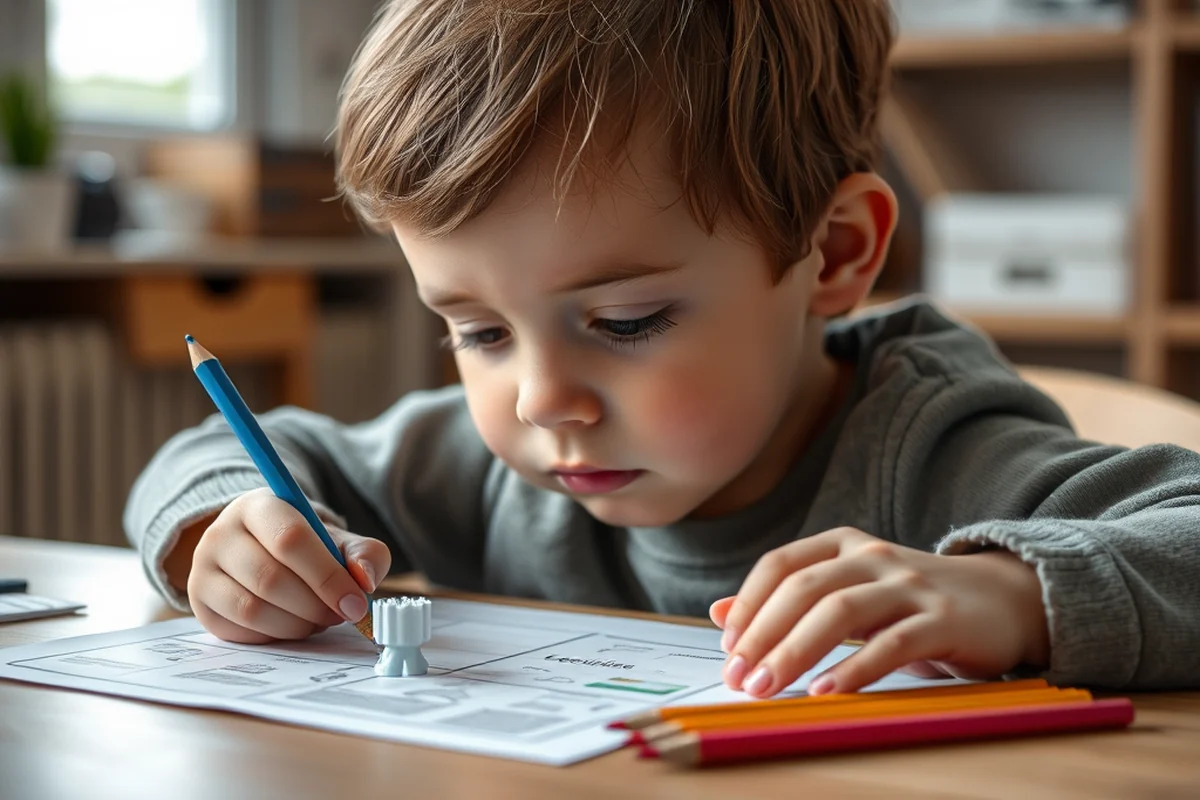
I've spent hours browsing websites like Thingiverse, MyMiniFactory, and GrabCAD, and I've found a wealth of designs that are perfect for educational purposes. These sites offer everything from basic geometric shapes to advanced models like anatomical structures and mechanical parts. Many of these designs are created by educators and students themselves, ensuring that they're suitable for classroom use.
One of the best features of these websites is the ability to rate and comment on designs. This helps educators find reliable models that have been tested by others. I've found that designs with high ratings are often the most user-friendly and have minimal printing issues.
In addition to these sites, some schools and universities have their own repositories of 3D printer designs. These can be a great resource for educators looking for classroom-specific models that align with their curriculum.
“The best 3D printer designs are those that have been tested and refined by other educators.”
Related: What is the best 3d printer at home
How to Use 3D Printer Designs in the Classroom
In my classroom, I've used 3D printer designs in science, math, and even literature. For example, we printed 3D models of molecules in chemistry class to help students visualize complex structures. In math, we used 3D shapes to teach concepts like volume and surface area. Even in literature, we printed replicas of famous book covers to make the learning experience more interactive.
One of the most effective ways to use 3D printer designs is to have students create their own models. This encourages creativity and critical thinking as they learn to design and print their own objects. I've seen students go from simple shapes to full-scale models of inventions they've read about in history class.
When introducing 3D printer designs to students, it's important to start with guided projects. This helps build confidence and ensures that students understand the basics before moving on to more complex designs. I've found that starting with simple projects like printing a model of the solar system or a human heart is a great way to engage students and show them the power of 3D printing.
When introducing 3D printer designs to students, use real-world examples they can relate to. For instance, printing a model of a famous landmark or a simple tool can make the learning experience more engaging and relevant.
“I remember the first time my daughter held a tiny 3D printed dinosaur in her hands — the way her eyes lit up, the way…”— Earlyprintables editors
Related: What s the best 3d printer for home use
The Benefits of Using 3D Printer Designs in Education

One of the most significant benefits of using 3D printer designs is that they help make abstract concepts more tangible. For instance, in a biology class, students can print a 3D model of a cell to see its structure in detail. This level of interactivity can be difficult to achieve with traditional teaching methods.
Another benefit is that 3D printer designs encourage problem-solving and critical thinking. When students are working on a design, they have to think about how different parts will fit together and how the object will function. This kind of thinking is essential in STEM fields and can be developed through hands-on projects.
In addition, using 3D printer designs in the classroom can help students develop a sense of accomplishment and pride in their work. I've seen students who were initially hesitant to try 3D printing become excited and engaged once they successfully printed their own models.
Related: The top 3d printers
Common Challenges with 3D Printer Designs
One of the most common challenges is ensuring that the designs are compatible with the printer being used. Not all 3D printers are the same, and some designs may not print correctly on certain models. It's important to check the specifications of the printer and the design before printing.
Another challenge is the time and effort required to prepare the designs. Some models may need to be modified before they can be printed, which can be time-consuming. However, this is an opportunity for students to learn about design and engineering.
Lastly, there's the issue of cost. While many 3D printer designs are free, printing them can be expensive depending on the materials used. It's important to plan ahead and budget for materials like filament, supports, and adhesives.
Related: Best 3d printers in 2026
Tips for Educators Using 3D Printer Designs
First, it's important to start with simple designs and gradually move to more complex ones. This helps students build confidence and skills over time. I've found that starting with basic shapes and progressing to more advanced models is a great way to introduce students to 3D printing.
Second, make sure to use high-quality designs that have been tested and refined by other educators. This reduces the risk of printing errors and ensures that the models are functional. I've saved a lot of time and frustration by using designs that have been rated highly by other users.
Finally, encourage students to experiment and modify designs. This helps foster creativity and problem-solving skills. I've seen students come up with innovative modifications that have improved the functionality of the models.
“Encourage students to think beyond the design and explore how they can improve or modify it.”
Related: How to print on demand
Future of 3D Printer Designs in Education
With the increasing availability of affordable 3D printers and the expansion of online design repositories, it's becoming easier than ever for educators to incorporate 3D printing into their classrooms. I've seen a significant increase in the number of schools and teachers using 3D printer designs over the past few years.
In the future, I believe we'll see more integration of 3D printer designs with other technologies, such as augmented reality and virtual reality. This could open up new possibilities for interactive learning and student engagement.
As 3D printing becomes more common in education, we can expect to see a greater emphasis on design thinking and engineering skills. This will help prepare students for the challenges of the future and equip them with the tools they need to succeed.
🧠 Younger Kids (Ages 3-6)
Use simple, colorful designs that help develop motor skills and shape recognition.
🛠️ Older Kids (Ages 7-12)
Explore more complex designs that introduce basic engineering and design principles.
⚡ No-Prep Version
Use pre-designed models that are ready to print without any modifications or adjustments.
👥 Group Version
Collaborate with classmates to create a shared design or model that combines multiple elements.
🚀 Extension Activity
Challenge students to modify a design to solve a problem or improve its functionality.
| The mistake | Why it happens | The fix |
|---|---|---|
| Using complex designs without proper guidance | This can overwhelm students and lead to frustration, especially for those who are new to 3D printing. | Start with simple designs and gradually introduce more complex models as students gain confidence and skills. |
| Printing designs that are not compatible with the printer | This can result in printing errors and wasted materials. | Check the specifications of the printer and the design before printing to ensure compatibility. |
| Not preparing the design for printing | Improperly prepared designs can lead to printing issues and poor-quality results. | Make sure to modify and prepare the design properly before printing to ensure it works correctly. |
| Ignoring student feedback and needs | This can lead to disengagement and a lack of interest in the activity. | Encourage students to share their ideas and feedback, and be flexible in adapting the activity to their needs. |
3D Printer Designs
Common Questions
Where can I find free 3D printer designs for my classroom?
How do I know if a design is compatible with my 3D printer?
What are some good first projects for students who are new to 3D printing?
How can I incorporate 3D printer designs into my curriculum?
References
- Events - Take Your Child to Work Day Triumphantly... (ncifrederick.cancer.gov)
- Feasibility Study For Teaching Geometry and Other Topics Using ... (people.math.harvard.edu)
Cite this guide
Earlyprintables (2026). What Are 3D Printer Designs and How to Use Them. https://earlyprintables.com/3d-printer-designs/
Feel free to cite or share this guide.