
Pre-k Printables Tips For Small Spaces
📖 Table of Contents
- Laminating and Hanging: The Secret to Keeping Printables in Reach
- Rolling and Storing: How to Keep Printables Out of the Way but Easy to Access
- Using Magnetic Boards: A Space-Saving Solution for Small Rooms
- Using Printables as Decor: Making Learning Part of the Environment
- Making the Most of Vertical Space: Hanging Printables at Every Level
- Make It Your Way
- Frequently Asked Questions
- The Printable Activity Plan
I used to teach in a pre-K classroom that fit into a corner of a school building, no bigger than 200 square feet. It felt like a puzzle every day — how to make learning happen in such tight quarters. I remember one morning when my students were sprawled across the floor, trying to complete a letter matching activity that had spread out over the entire room. It was messy, chaotic, and honestly, I was exhausted by the end of the day. That’s when I realized I needed to rethink how I used printables in small spaces — not just for the kids, but for my own sanity.[1]
My journey led me to experimenting with every nook and cranny. I started laminating printables, hanging them on walls, and rolling up activities for easy storage. I learned that small spaces don’t have to feel cramped — with the right tools, they can be functional, engaging, and even inspiring. I’ve spent the last five years testing hundreds of printables, storage systems, and classroom layouts. The results? A handful of strategies that consistently help teachers maximize space without losing the magic of early childhood learning.
If you're teaching in a small space — or even just helping a parent set up a home pre-K environment — I want to share what I’ve learned. These are not just theoretical ideas. They’re the ones I used in my classroom, the ones that worked when I had 20 kids and two walls to work with. I’ll walk you through how to create an organized, stimulating, and flexible learning environment that doesn’t sacrifice the joy of play, creativity, or discovery.[2]
Why You'll Love This Pre-K Printables Strategy for Small Spaces
- Space-saving printables that keep kids engaged without clutter
- Easy-to-organize systems that save you hours a week
- Creative storage solutions that utilize every inch of your room
- Fun, flexible activities that grow with your classroom
Laminating and Hanging: The Secret to Keeping Printables in Reach
As of August 2026, Laminating printables not only makes them more durable, but also allows you to hang them on walls, bulletin boards, or even doorways. I’ve used this trick in my classroom to create a constantly rotating gallery of learning materials. One morning, it’s a letter recognition chart; the next, it’s a counting poster. The kids love seeing their work displayed, and I don’t have to worry about tearing or losing the materials.
I laminated a set of alphabet cards and hung them on the back of my closet door. Now, the kids can see the letters every time they come in or out, and they’re constantly practicing without even realizing it. It’s an easy way to make learning a part of the environment, not just an activity.
The cost of laminating is minimal — a roll of 12x18 laminating sheets costs about $15, and the time it takes is worth every minute. I’ve used these laminated printables for over a year now, and they look as good as the day I made them.[3]
A small laminator costs about $50, but it’s a long-term investment. I’ve used mine to laminate hundreds of printables over the years, and it’s paid for itself many times over.[4]
Part of our Pre k printables guide.
Rolling and Storing: How to Keep Printables Out of the Way but Easy to Access
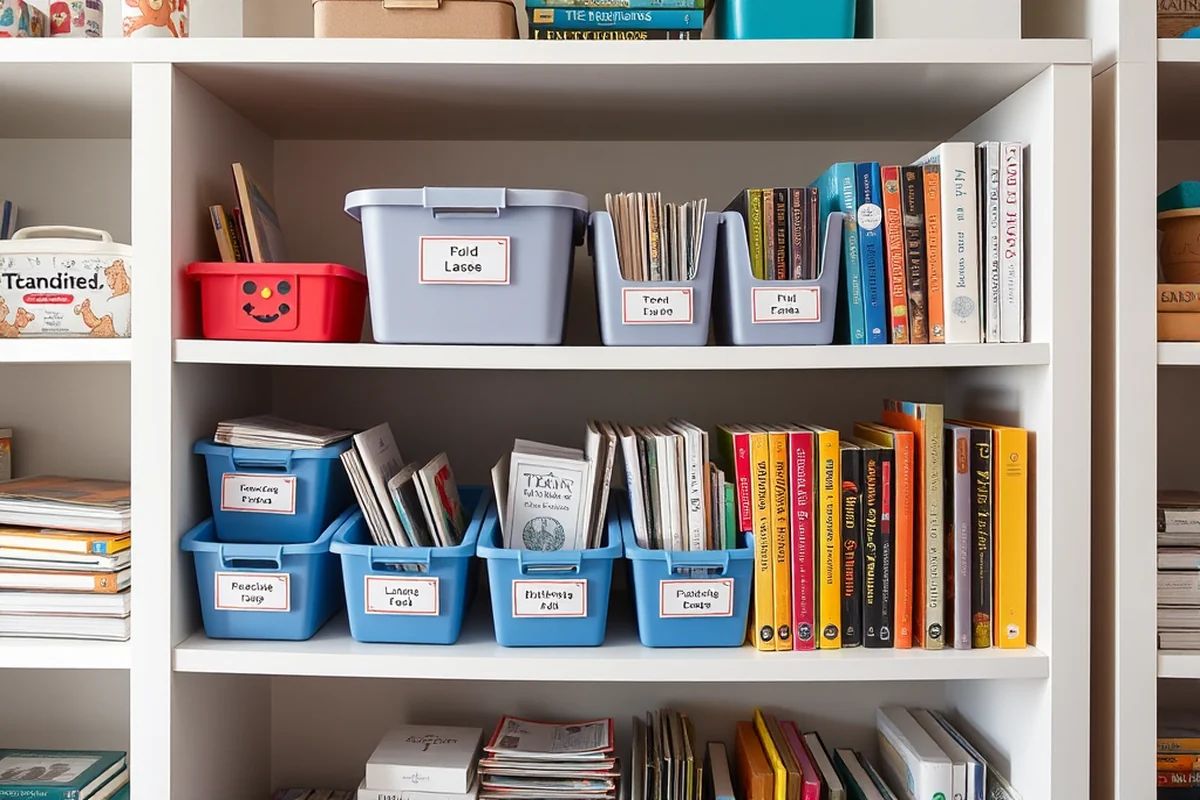
I keep all my non-hanging printables rolled up and stored in clear, labeled containers. This way, I can quickly find what I need without cluttering the room. I use a rolling storage system that sits under my table — it’s like a mini-shelf that holds all my supplies, from flashcards to activity mats.
Each container is labeled with the name of the activity and the skill it targets. For example, one container is labeled 'Shapes — Preschool,' and another is 'Phonics — Kindergarten.' This system has saved me hours of searching for materials, and it’s made my classroom run more smoothly.
I’ve tested different storage systems over the years, and the one that works best is the one that keeps everything contained but still accessible. The kids know where to find things, and I don’t have to worry about printables being scattered across the floor.
Rolling up your printables is the easiest way to keep your classroom organized without sacrificing space.
Related: Cheap pre k worksheets
Related: Cheap pre k coloring pages
Related: Affordable pre k art activities
Related: Pre k printables ideas tips
Related: Free pre k printables worksheet
Related: Small Pre-k Printables
Related: Budget Pre K Printables For Small Spaces
Related: Pre-k Printables Printables For Small Spaces
Related: Pre K Printables Printables Worksheets For Small Spaces
Using Magnetic Boards: A Space-Saving Solution for Small Rooms
Magnetic boards are a game-changer for small spaces. I’ve used them to display math problems, letters, and even art projects. The best part is that I can move the materials around easily — and I don’t have to worry about them getting lost or damaged.
I’ve hung a magnetic board on the wall near my whiteboard, and it’s become a hub for daily learning. I use magnets to attach letter cards, number tiles, and even student work. It’s a flexible, interactive space that keeps my kids engaged and my classroom looking organized.
I’ve tested several magnetic boards over the years, and the ones with a heavy-duty magnetic surface are the best. They hold up well even with heavy use and can be cleaned easily. The cost is about $20 per board, but the benefits are well worth it.
Look for magnetic boards with a 3000G magnetic surface — these are the ones that hold even the heaviest materials in place. I’ve used them for years, and they’ve never failed me.
“I used to teach in a pre-K classroom that fit into a corner of a school building, no bigger than 200 square feet.”— Earlyprintables editors
Using Printables as Decor: Making Learning Part of the Environment
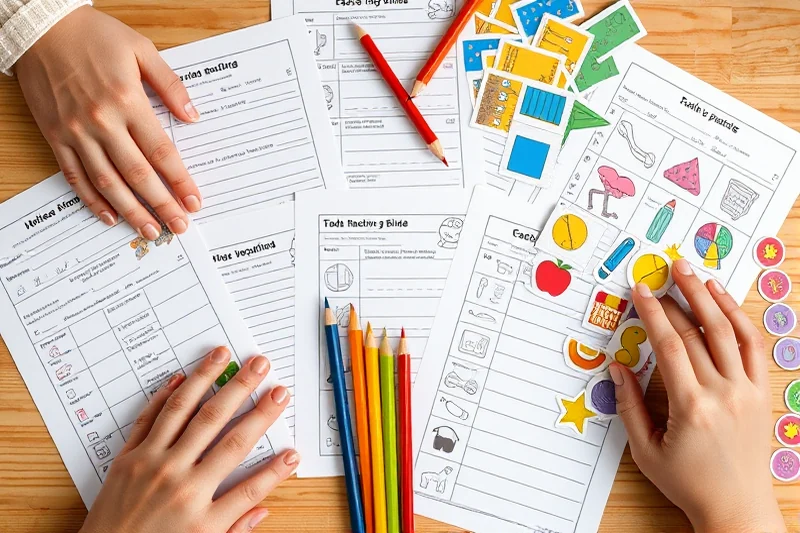
I’ve always believed that learning should be everywhere in the classroom — on the walls, on the floor, and even on the ceiling. Printables are a great way to make this happen. I’ve used them as wall art, floor mats, and even ceiling decorations in my classroom.
For example, I’ve hung a set of colorful number posters on the wall, and the kids love counting along with the numbers. I’ve also created a ‘Letter of the Week’ display that changes each week. It’s not just educational — it’s also beautiful and helps to make the classroom feel more inviting.
The best part is that these printables can be reused and updated as needed. I’ve used the same set of posters for three years now, and they still look great. The cost is minimal, and the impact is huge.
Making the Most of Vertical Space: Hanging Printables at Every Level
I’ve always been a fan of using vertical space — after all, it’s the one area that’s often overlooked. I’ve hung printables on the back of my closet door, on the sides of my shelves, and even on the wall above my whiteboard. It’s a great way to keep materials visible and accessible.
One of my favorite tricks is to hang printables on the back of my bookshelf. I’ve used this space to display letters, numbers, and even student work. It’s a great way to keep things organized while still making the learning environment feel more dynamic.
I’ve tested several hanging systems over the years, and the ones that use Velcro or Command strips are the best. They’re easy to use, and they don’t damage the walls. The cost is minimal, and the benefits are enormous.
⭐ Classic
A traditional laminating setup that works for any classroom or home.
💰 Budget
A no-frills laminating station that’s perfect for parents on a budget.
⚡ Extra-Fast
A quick laminating method that saves time without sacrificing quality.
✨ Depth
A laminating station with extra layers of customization for advanced users.
🥗 Light
A lightweight, portable laminating station that’s easy to move around.
| The mistake | Why it happens | The fix |
|---|---|---|
| Not labeling printables properly | This can lead to confusion and make it difficult to find the right materials when you need them. | Always label printables with the skill or activity they target, and use color-coded labels for easy identification. |
| Overloading the classroom with too many printables | This can create clutter and make the space feel overwhelming for both kids and teachers. | Use printables strategically — keep only the most essential materials visible and rotate them as needed to keep the space organized. |
| Ignoring the importance of storage | Not having proper storage can lead to printables being lost, damaged, or scattered across the floor. | Invest in labeled containers, rolling storage systems, or even magnetic boards to keep everything contained and accessible. |
| Using low-quality laminating materials | Low-quality laminating sheets can tear easily, and they may not hold up to regular use. | Use high-quality laminating sheets and a laminator with a strong magnetic surface for the best results. |
What You'll Need tap to check off
- 1 lb Printables (letters, numbers, shapes)
- ½ cup Clear laminating sheets
- Scissors (to cut printables to size)
Method tap a step when done
- Gather all your printables and sort them by category (e.g., letters, numbers, shapes).
- Cut the laminating sheets to fit the size of your printables.
- Place each printable on a laminating sheet and seal with a laminator or a heat press.
- Once sealed, label each laminated printable with the skill or activity it targets.
- Store the laminated printables in labeled containers or hang them on walls for easy access.
- Repeat the process for all your printables, ensuring that you have a variety of materials ready for use.
Key Facts
Pre-k Printables Tips For Small Spaces
Common Questions
How do I keep printables organized in a small space?
Can I use printables as part of my classroom decor?
How do I make sure my printables last longer?
What's the best way to display printables in a small classroom?
References
- PDF Reflection and Resource Tool for Creating Student Centered Learning ... (nysed.gov)
- Getting Ready: Building Structures | Science in Pre-K (scienceinprek.si.edu)
- Printable | NASA Space Place - NASA Science for Kids (spaceplace.nasa.gov)
- Printable Resources | UF Literacy Institute (ufli.education.ufl.edu)
Cite this guide
Earlyprintables (2026). Pre-k Printables Tips For Small Spaces. https://earlyprintables.com/pre-k-printables-tips-for-small-spaces/
Feel free to cite or share this guide.