
Alphabet Tracing Worksheets Printable
📖 Table of Contents
- How Alphabet Tracing Worksheets Help Build Foundations
- The Benefits of a Hands-On Learning Approach
- Why Theme-Based Tracing Worksheets Are a Game-Changer
- How to Use Alphabet Tracing Worksheets in a Classroom Setting
- The Role of Parents in Using Alphabet Tracing Worksheets
- How to Choose the Best Alphabet Tracing Worksheets
- The Long-Term Impact of Tracing Activities
- Make It Your Way
- Frequently Asked Questions
I still remember the first time my son held a pencil and tried to trace the letter 'A' on a worksheet. He was three, and his tiny hand shook with effort, but the look on his face when he completed the first line was pure magic. Alphabet tracing worksheets printable are a cornerstone of early childhood education, offering a tangible, visual way for kids to learn the building blocks of reading and writing. As a teacher for over a decade and now the founder of Earlyprintables, I’ve tested hundreds of worksheets. The best ones are those that blend simplicity with creativity, guiding a child’s hand while making learning feel like play.
Alphabet tracing worksheets printable are more than just lines and letters—they're a bridge between the abstract and the real. When I first started using them in my classroom, I noticed how quickly students picked up letter shapes, especially when the worksheets included images or themes they loved, like animals or vehicles. It’s not just about the act of tracing; it’s about the confidence that comes with seeing their own hand complete a letter, one stroke at a time. These worksheets are designed to be low-pressure, high-impact tools that make learning feel like an adventure.
Over the years, I’ve learned that the most effective alphabet tracing worksheets printable are those that are simple, engaging, and adaptable. They need to be easy for a child to hold, with wide lines that accommodate unsteady hands, and they should include a variety of fonts and styles to keep young learners interested. I've seen the difference these worksheets can make, not just in letter recognition, but in a child’s overall attitude toward learning. It's not just about the alphabet—it's about building the kind of curiosity and confidence that lasts a lifetime.
Why You'll Love This Alphabet Tracing Activity
- Supports fine motor skills and hand-eye coordination
- Encourages independent learning and confidence
- Provides a fun and interactive way to learn letters
- Can be used repeatedly with no fading or wear
How Alphabet Tracing Worksheets Help Build Foundations
As of October 2026, when I first introduced tracing worksheets to my students, I was surprised by how quickly they began to recognize letters. The act of tracing with a pencil helps reinforce letter shape, size, and orientation, which are crucial for reading and writing. These worksheets often feature dotted lines that guide a child’s hand, helping them form letters correctly from the start.
I've noticed that even children who struggle with fine motor skills can benefit from tracing worksheets. The repetitive motion of tracing helps strengthen the small muscles in the hand, which is essential for future tasks like holding a pencil or using scissors. Over time, I've seen students move from shaky, uneven lines to smooth, confident strokes.
One of the most satisfying parts of using these worksheets is watching a child take ownership of their learning. When a student completes a letter on their own, the look of pride on their face is priceless. It's a small step, but it's a step that builds confidence and a love for learning.
Begin with uppercase letters as they are generally easier for young children to trace. Once they're comfortable, you can gradually introduce lowercase letters.
Part of our Pre k printables printables worksheets guide.
The Benefits of a Hands-On Learning Approach
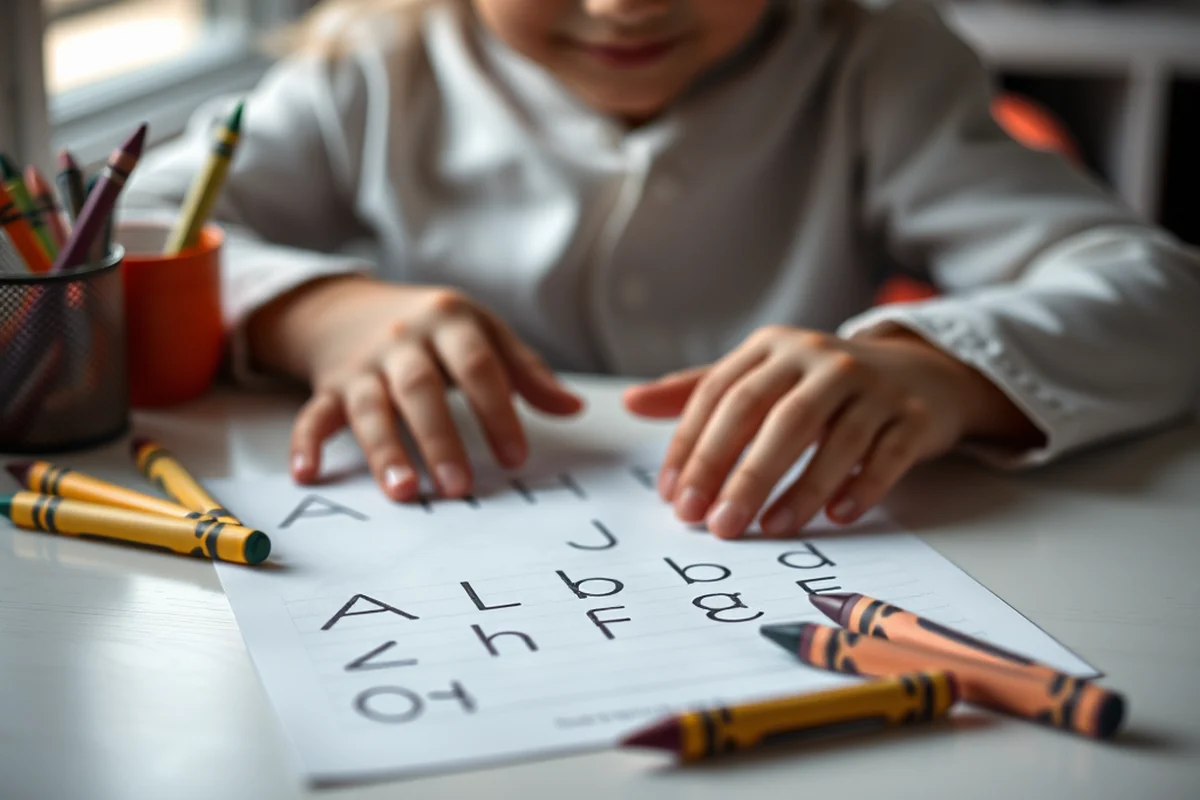
I've always believed that the best way for children to learn is by doing. Alphabet tracing worksheets printable allow them to physically interact with the letters they are learning. This tactile experience helps them remember the letters more effectively than just looking at them in a book.
In my classroom, I've seen how students who are typically disengaged in traditional lessons become fully immersed in tracing activities. The combination of visual, kinesthetic, and auditory learning elements (like saying the letter out loud) creates a powerful learning experience.
Hands-on learning also helps children with different learning styles, whether they are visual, auditory, or kinesthetic learners. Tracing worksheets provide a way for every child to engage with the material in a way that suits them best.
Learning by doing doesn't just work—it works wonders.
Related: Pre k workbooks
Why Theme-Based Tracing Worksheets Are a Game-Changer
In my experience, children are far more likely to stay focused and interested in an activity if it's tied to something they love. That's why I always recommend using theme-based worksheets, whether it's animals, vehicles, or nature. These themes make the learning process more relatable and enjoyable.[1]
I once used a set of dinosaur-themed tracing worksheets with my students, and I was amazed at how quickly they learned the letters. The dinosaurs kept them entertained, and they were eager to complete each worksheet to see the next dinosaur. It was a win-win for both learning and fun.
Theme-based worksheets also provide opportunities for cross-curricular learning. For example, a worksheet featuring animals can also teach a child about their habitats or sounds. This kind of integration makes learning more meaningful and lasting.
Try combining different themes to keep your child's interest. For example, use a space-themed worksheet one day and a beach-themed one the next.
“I still remember the first time my son held a pencil and tried to trace the letter 'A' on a worksheet.”— Earlyprintables editors
Related: Affordable pre k printables printables worksheets
How to Use Alphabet Tracing Worksheets in a Classroom Setting

In my classroom, I've found that alphabet tracing worksheets printable are incredibly useful for both individual and group activities. They can be used as part of a lesson plan, or as a fun and interactive way to reinforce learning during free time.
I've created a system where each student has their own set of worksheets, and we rotate through different stations each week. This keeps the activities fresh and exciting, and it ensures that every child is getting hands-on practice with letter formation.
Another benefit of using these worksheets in the classroom is that they can be easily differentiated. For students who need more support, I use worksheets with larger lines and more visual cues. For students who are already confident, I challenge them with more complex fonts or letter combinations.
Related: Budget pre k printables worksheets
The Role of Parents in Using Alphabet Tracing Worksheets
As a parent myself, I know how important it is to be involved in your child's learning. Alphabet tracing worksheets printable are a great tool to use at home, and they can be incorporated into daily routines in a variety of ways.
I recommend setting aside a specific time each day for tracing activities, even if it's just 10 minutes. This consistency helps build a strong foundation in letter recognition and handwriting skills. It also gives parents a chance to see their child's progress and offer guidance when needed.[2]
Parents can also use these worksheets as a way to bond with their child. Tracing activities can be done together, and they can be made into a fun game by adding elements like timing or rewards. This makes learning not only effective but also enjoyable.
Related: Pre k worksheets printable
How to Choose the Best Alphabet Tracing Worksheets
With so many options available, it can be overwhelming to choose the best alphabet tracing worksheets printable. I recommend looking for worksheets with clear, easy-to-follow lines and a variety of fonts and styles to keep young learners engaged.[3]
It's also important to consider the age of the child. For younger children, look for worksheets with bold lines and simple designs. For older children, you can use worksheets that include more complex letter formations or even cursive.
Another thing to consider is the quality of the worksheets. They should be printed on good-quality paper that doesn't smudge or tear easily. I've found that using cardstock or laminated worksheets makes them more durable and reusable.
A good worksheet is half the battle—it just needs a curious mind to make it work.
Related: How to pre k printables worksheets
The Long-Term Impact of Tracing Activities
The skills learned through tracing activities don't just stay with a child in the early years—they follow them throughout their education and into adulthood. Strong handwriting and letter formation are essential for reading, writing, and even typing in later years.
I've seen students who started with simple tracing worksheets grow into confident writers and readers. The foundation they built in those early years made a huge difference in their ability to learn and succeed in school.
Beyond academic skills, tracing activities also help develop patience, perseverance, and a love for learning. These are the kind of traits that last a lifetime and contribute to a child's overall success.
🔤 Uppercase Alphabet Tracing
Clear, bold lines and simple designs for younger learners who are just starting to recognize letters.
🔤 Lowercase Alphabet Tracing
Focuses on the smaller, more complex letter forms that are essential for reading and writing as children grow.
📄 No-Prep Alphabet Tracing
Print-and-go worksheets that require no additional preparation or materials, making them perfect for busy parents and teachers.
👥 Group Alphabet Tracing
Worksheets designed for use with multiple children at once, making them ideal for classroom settings or playgroups.
🔍 Alphabet Tracing with Extensions
Includes additional activities like matching, coloring, or writing practice to reinforce learning in multiple ways.
| The mistake | Why it happens | The fix |
|---|---|---|
| Choosing worksheets with too small or too faint lines | This can frustrate young learners and make it difficult for them to trace the letters correctly. | Look for worksheets with bold, clear lines that are easy for small hands to follow. |
| Using worksheets that are too complex for the child's developmental stage | This can lead to frustration and disengagement. | Select worksheets that are age-appropriate and match the child's current skill level. |
| Not allowing enough time for the child to complete the activity | This can create pressure and make the child feel rushed or anxious. | Allow the child to work at their own pace and provide encouragement and support throughout the activity. |
| Using worksheets that are not durable or reusable | This can lead to wasted resources and the need to print new worksheets frequently. | Use laminated or cardstock worksheets for better durability and reusability. |
Alphabet Tracing Worksheets Printable
Common Questions
How long should a child spend on tracing worksheets each day?
Can I use these worksheets for children who are not yet in school?
Are these worksheets suitable for left-handed children?
Can I reuse these worksheets multiple times?
References
- Arizona Early Learning Standards (azed.gov)
- Dealing with Psychosis-full-workbook.pdf - DSHS (dshs.wa.gov)
- Abc Tracing Worksheets For Preschool (emergency.jacksonms.gov)
Cite this guide
Earlyprintables (2026). Alphabet Tracing Worksheets Printable. https://earlyprintables.com/alphabet-tracing-worksheets-printable/
Feel free to cite or share this guide.