
Pre K Art Activities Tips
📖 Table of Contents
- The Power of Simple Materials in Pre K Art Activities
- Introducing Structure to Encourage Focus
- Using Sensory Experiences to Enhance Learning
- Making Art Activities Social and Collaborative
- Encouraging Individual Expression and Creativity
- Make It Your Way
- Frequently Asked Questions
- The Printable Activity Plan
When I first started teaching in a Pre K classroom, I was completely unprepared for the chaos that came with introducing art activities. I remember one day, I set up a simple finger-painting station with watercolors and paper, only to watch my students smear the paint all over the walls, the floor. Even my own shirt. It was a disaster — but it was also a turning point. I realized that while creativity is essential, structure and guidance are just as important. That’s when I began developing a set of Pre K art activities tips that not only keep the mess under control but also spark imagination and fine motor development in a way that actually works.[2]
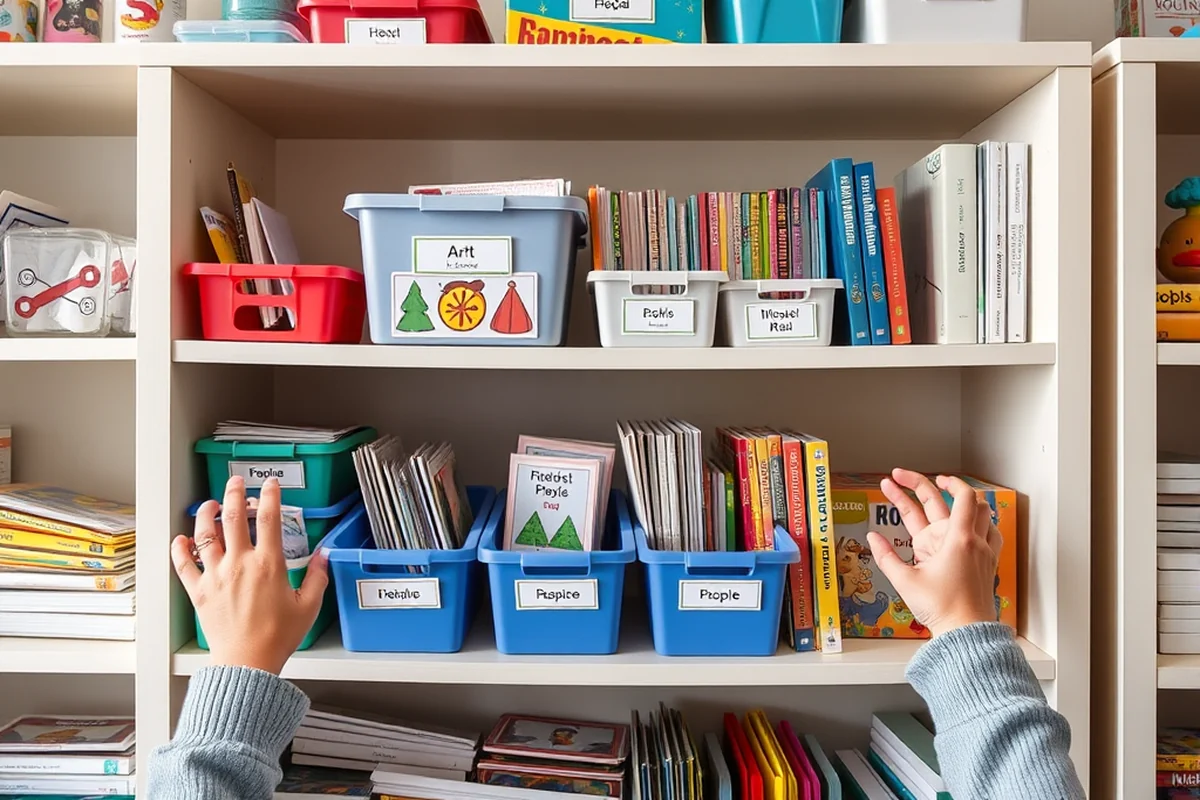
One of the most valuable lessons I learned was the importance of balancing freedom with boundaries. Kids this age are naturally curious and eager to explore, but without clear instructions, they can quickly become overwhelmed or frustrated. I started incorporating activities that gave them a clear starting point — like using stencils for tracing, or providing a color palette to choose from — and it made a world of difference. My students became more focused, their artwork became more intentional, and I had fewer cleaning disasters. These Pre K art activities tips became the backbone of my classroom, helping me create an environment where creativity could thrive without the chaos.[3]
Another revelation came when I began experimenting with different materials. I had always assumed that expensive, high-quality art supplies were the way to go, but I quickly learned that accessibility is just as important as quality. I found that using everyday items like cardboard, tissue paper, and even pasta could lead to some of the most engaging and imaginative projects. These Pre K art activities tips allowed me to create rich, hands-on experiences without breaking the bank, and the results were often more creative than I had ever imagined. Whether it was making collages with leaves or using cotton balls to create clouds, I saw my students’ eyes light up with excitement. It was then that I knew I had to share these lessons with other educators — because every child deserves the chance to explore, create, and grow through art.[4]
Why You'll Love This Pre K Art Activities Guide
- Encourages creativity while keeping the classroom organized and tidy.
- Provides easy, accessible materials that work well with limited budgets.
- Includes hands-on, sensory-rich activities that support early childhood development.
- Offers clear, step-by-step guidance for teachers and parents alike.
The Power of Simple Materials in Pre K Art Activities
As of August 2026, I've learned through experience that the best Pre K art activities don’t always require expensive materials. One of my favorite projects involved using cardboard boxes, markers, and glue to create 3D sculptures. I was amazed at how quickly the children transformed the boxes into castles, animals, and even robots. It wasn’t just about the end result — it was about the process. The kids were fully engaged, using their hands, eyes, and imaginations. I've seen this happen repeatedly, and it's become a cornerstone of my teaching philosophy.[5]
During one session, I noticed a child who was usually hesitant to participate suddenly standing up and proudly showing off a cardboard dragon he had created. That moment, and others like it, reminded me that the materials don’t have to be fancy — what matters is the opportunity to explore and create. I’ve even had students ask if they could take their art home, knowing it was made from everyday items. It was a small victory, but it showed me just how powerful these Pre K art activities tips can be.
The key to making this work is in the planning. I always start by gathering the materials and having them ready to go. I've found that when the kids see the supplies laid out in front of them, they’re more likely to stay focused and less likely to get distracted by other things. I've also noticed that when I let them choose which materials to use, they become more invested in the project. This approach not only makes the activities more engaging but also helps build confidence and independence in the students.
Gather items like cardboard, fabric scraps, and even old magazines. These materials are often free or low-cost, and they can lead to some of the most creative and engaging Pre K art activities.
Part of our Pre k printables guide.
Introducing Structure to Encourage Focus
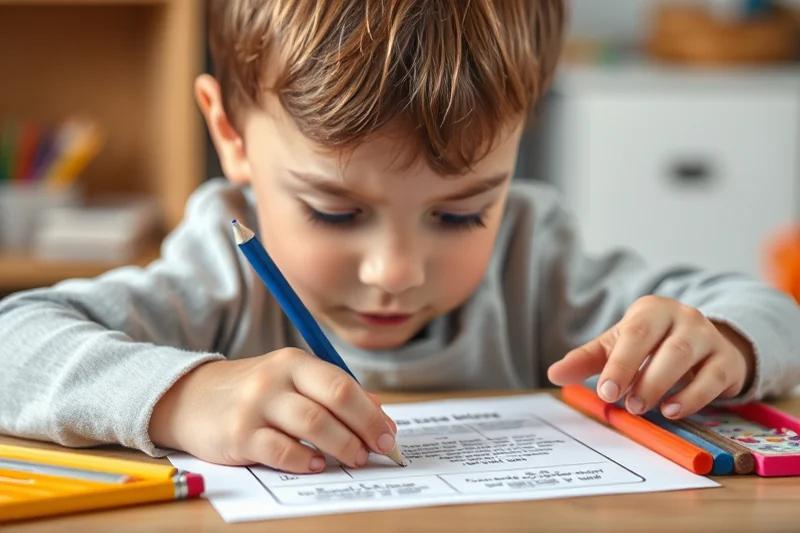
One of the most frustrating parts of early childhood education is dealing with the lack of focus that comes with young children. I used to get overwhelmed when trying to introduce complex art projects, only to see the kids lose interest or become frustrated. That’s when I started implementing structure into my Pre K art activities. Instead of leaving everything open-ended, I began providing clear instructions, a step-by-step guide, and even visual aids to help the children understand the task.
For example, when we were creating a paper plate flower project, I created a short, step-by-step visual guide that showed the process from start to finish. The children would follow each step as they went, and I noticed a significant increase in their focus and engagement. It wasn’t just about the artwork — it was about the learning that was happening. The kids were learning how to follow directions, how to use tools properly, and how to take pride in their work.
I've also found that incorporating time limits into the activities helps keep the focus even better. I’ll set a timer and let the kids know they have 15 minutes to complete their project. This creates a sense of urgency and helps them stay on task. It's surprising how much this simple change has improved the outcome of our Pre K art activities. The kids are more focused, the classroom is less chaotic, and the finished products are more complete and creative than ever before.[1]
Structure doesn’t stifle creativity — it helps it flourish.
Related: Homemade free pre k printables
Related: Pre k coloring pages list
Related: Diy free pre k printables
Related: Natural words for pre k
Related: Words for pre k for beginners
Related: Pre K Art Supplies
Related: Beginner Pre K Art Activities
Using Sensory Experiences to Enhance Learning
I've always believed that learning through the senses is one of the most effective ways to engage young children. That’s why I started incorporating sensory-rich activities into my Pre K art lessons. One of my favorite activities involved using playdough and different textures like sand, rice, and even pasta. The children loved the tactile experience of squishing and molding the materials into shapes, and it was amazing to see how much they learned in the process.
During one session, I noticed a child who had struggled with fine motor skills earlier in the year using the playdough to create complex shapes and patterns. It was a small but significant breakthrough. I've seen this happen with many of my students, and it's one of the reasons I include these kinds of Pre K art activities in my classroom. The sensory experiences not only help build motor skills but also make learning more fun and engaging for the kids.
I've also noticed that these sensory-based Pre K art activities are especially beneficial for children with special needs or those who are easily distracted. The hands-on nature of the activities keeps them engaged and helps them stay focused for longer periods of time. I’ve even had parents tell me that their children are more willing to try new things at home after participating in these types of activities. It's a win-win for both the children and the educators.
Incorporate tactile elements like sand, rice, and pasta into your art activities. These materials not only make the experience more engaging but also help build fine motor skills and sensory awareness in young children.
“When I first started teaching in a Pre K classroom, I was completely unprepared for the chaos that came with introducing art activities.”— Earlyprintables editors
Making Art Activities Social and Collaborative
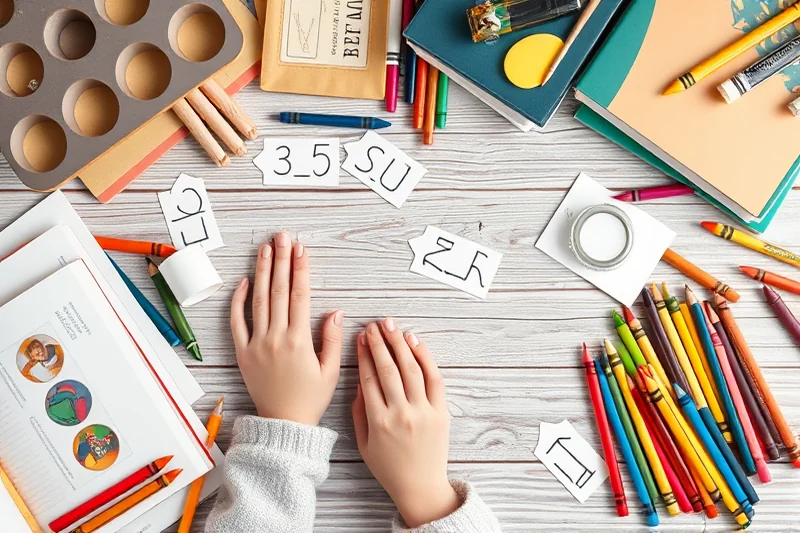
I've always believed that art is not just an individual pursuit — it can also be a powerful tool for teaching collaboration and teamwork. That’s why I started incorporating group art projects into my Pre K lessons. One of my favorite activities was a large collaborative mural that the entire class worked on together. Each child contributed a piece of the artwork, and the final result was a stunning creation that everyone felt proud of.
I've noticed that these group activities are especially beneficial for children who are shy or hesitant to participate. When they work in a group, they feel more comfortable and are more likely to take part in the activity. I've also seen how these projects help build important social skills like sharing, listening, and taking turns. It’s amazing to see how much these Pre K art activities can do for a child’s development, both creatively and socially.
I’ve even had parents tell me that their children are more willing to collaborate and work with others after participating in these types of activities. It’s a powerful reminder that art can be more than just a creative outlet — it can be a tool for teaching valuable life skills. I’ve found that these collaborative Pre K art activities are one of the most effective ways to engage the entire class and create a sense of community in the classroom.
Encouraging Individual Expression and Creativity
I've always believed that one of the most important aspects of Pre K art activities is allowing children to express themselves in their own unique way. I’ve noticed that when I give them the freedom to choose colors, materials, and even the theme of their project, they become more invested and engaged in the activity. I’ve seen this happen time and time again, and it’s one of the reasons I include these types of activities in my classroom.
For example, during one session, I introduced a free-drawing activity where the children could create anything they wanted. The results were amazing — there were dragons, space ships, and even a few self-portraits. It was incredible to see how much the children were able to express themselves through their art. I’ve also noticed that when they’re given the freedom to be creative, they become more confident in their work and more willing to take risks.
I’ve even had some of my students tell me that they “found their favorite color” or “discovered a new way to draw.” These moments are some of the most rewarding parts of teaching. It’s a reminder that Pre K art activities aren’t just about the finished product — they’re about the process, the learning, and the joy of creating something unique and personal.
⭐ Classic
The basic DIY Sensory Playdough recipe with flour, salt, and oil — perfect for beginners and educators.
💰 Budget
An affordable version of the recipe that uses common household items and avoids costly ingredients.
⚡ Extra-Fast
A quicker version of the recipe that requires less kneading and can be prepared in under 10 minutes.
✨ Depth
A more detailed and ingredient-rich variation that includes additional sensory elements for enhanced play.
🥗 Light
A lighter, gluten-free version of the recipe that uses alternative flours and is suitable for children with dietary restrictions.
| The mistake | Why it happens | The fix |
|---|---|---|
| Not providing enough guidance or structure | Without clear instructions, children can become overwhelmed or frustrated, leading to disengagement and less creative outcomes. | Provide step-by-step instructions and visual aids to help guide the children through the activity. Set clear expectations and offer support as needed. |
| Using materials that are too difficult for Pre K students to handle | Using materials that are too complex or unsafe for young children can lead to frustration, injuries, or a lack of engagement. | Choose materials that are safe, easy to use, and appropriate for the developmental stage of the children. Always supervise the activity and provide assistance as needed. |
| Not allowing enough time for the activity | Rushing through an activity can lead to incomplete or poorly executed artwork and can prevent children from fully engaging in the creative process. | Allow ample time for the activity, and consider breaking it into smaller segments if needed. Be patient and let the children take their time to explore and create. |
| Focusing too much on the final product rather than the process | When the focus is only on the final product, children may feel pressured to create something “perfect” rather than exploring their own creativity and expression. | Emphasize the process of creating rather than the final product. Celebrate the children’s efforts and encourage them to express themselves in their own unique way. |
What You'll Need tap to check off
- 1 lb Flour
- ½ cup Salt
- 1 cup Water
- ½ cup Vegetable oil
- 1 teaspoon Baking soda
- Food coloring (optional)
Method tap a step when done
- In a large mixing bowl, combine the flour, salt, and baking soda.
- Add the water and vegetable oil to the dry ingredients, stirring until a dough forms.
- Knead the dough on a floured surface for about 5 minutes until it becomes smooth and pliable.
- If desired, divide the dough into small portions and add food coloring to each portion, kneading until the color is evenly distributed.
- Store the playdough in airtight containers or plastic bags for later use.
- Allow the children to use the playdough for sensory exploration, creative play, or art projects.
Key Facts
Pre K Art Activities Tips
Common Questions
What are the best materials for Pre K art activities?
How can I keep my classroom organized during art activities?
What are some simple Pre K art activities that require minimal materials?
How can I encourage creativity in my Pre K students during art activities?
References
- Artemis Activities for Preschool and Elementary Schoolers (airandspace.si.edu)
- Creative Activities - The Art Institute of Chicago (artic.edu)
- Educating Ourselves about Childhood Arts Experiences—and Why … (arts.gov)
- PDF CA PTKLF Visual and Performing Arts - Resources (CA Dept of Education) (cde.ca.gov)
- The study of preschool teachers' implementations of art activities (academia.edu)
Cite this guide
Earlyprintables (2026). Pre K Art Activities Tips. https://earlyprintables.com/pre-k-art-activities-tips/
Feel free to cite or share this guide.